
Hidden health risks of reusing plastic water bottles

By Andrea B. Ramos
As temperatures continue to rise across the Philippines, staying hydrated has become a daily necessity rather than a matter of choice. In a country where heat and humidity shape everyday routines, bottled water has become a constant companion—whether in offices, schools, public transport, or outdoor work environments.
Alongside this reliance, however, a common habit has quietly taken hold: the repeated refilling of single-use plastic water bottles.
Across the country, it is a familiar scene. Office workers keep the same plastic bottle on their desks throughout the day. Students refill disposable bottles between classes. Commuters bring them along for convenience, topping them up at water stations or nearby stores. Workers in outdoor jobs often reuse whatever is available, prioritizing practicality in fast-moving and sometimes resource-limited conditions.
On the surface, the practice appears harmless—and in many cases, practical. It saves money, reduces waste, and ensures access to drinking water in a tropical environment where hydration is essential.
But health experts caution that this everyday habit may carry risks that are often overlooked.
A container not designed for repeated use
WHICH EXPERT SAID THIS: Most bottled water containers sold commercially are made of Polyethylene Terephthalate (PET), labeled with recycling code #1. These bottles are intended primarily for single use and short-term consumption.
Once opened and repeatedly handled, the condition of the container can change. Exposure to heat, sunlight, and frequent contact with hands or mouths may create conditions where bacteria can develop if the bottle is reused without proper cleaning.
WHY CANADA? NO EXPERT IN THE PHILIPPINES? THE CONDITIONS / WEATHER IN THE PH DIFFER FROM CANADA’S
In response to an email inquiry I sent, representatives from Health Canada and the Public Health Agency of Canada, Government of Canada, provided guidance on the proper use, handling, and storage of bottled water containers — offering practical dos and don’ts that can help consumers make safer choices.
They emphasized that while bottled water is regulated and treated for safety before distribution, consumers also play an important role in maintaining hygiene after purchase. Their guidance reinforces a key principle: safety does not end at the point of sale — it continues in how containers are used, stored, and handled in daily life.
Environmental guidance adds another layer of awareness
An infographic from the Nebraska Recycling Council (NRC), a U.S.-based nonprofit organization based in Nebraska, United States focused on recycling and waste reduction, highlights practical guidance on the use and handling of plastic bottles in everyday life.
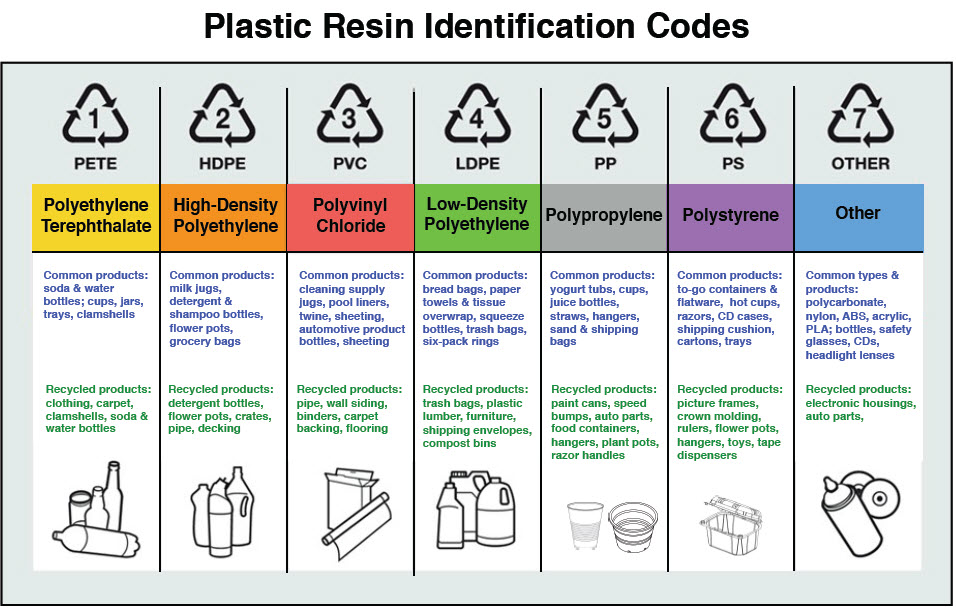
While its primary focus is environmental education, the infographic emphasizes that single-use plastic bottles are not designed for prolonged or repeated reuse. It also encourages consumers to avoid exposing plastic containers to heat and direct sunlight, to understand that different materials have different durability levels, and to transition to reusable containers designed for long-term use such as stainless steel or food-grade bottles that can be properly cleaned and maintained.
Taken together, these reminders complement public health guidance by reinforcing a shared principle: that safety and sustainability both depend on how containers are used, handled, and exposed over time.
Why the risk becomes more relevant in the Philippines
The Philippines presents conditions where this habit becomes more significant. Bottles are often carried for long hours, stored in bags, left inside vehicles, or exposed to direct sunlight during commutes.
During peak summer months, heat index levels in some areas can exceed 40°C. Under these conditions, moisture and warmth inside reused containers may increase the likelihood of bacterial growth, especially when bottles are not regularly cleaned.
In many urban settings, a single bottle may be opened in the morning and refilled multiple times throughout the day, sometimes over several days, without proper washing. In other cases, convenience takes priority over hygiene due to limited access to clean reusable containers or washing facilities.
This makes the practice less about choice and more about everyday reality.
Between cost, convenience, and awareness
The continued reuse of plastic bottles reflects the everyday balance many Filipinos navigate.
For many households, repeatedly buying bottled water can be costly. At the same time, reusing plastic containers is also seen as a small effort to reduce waste in a country still facing environmental challenges.
These realities sit between affordability, convenience, and environmental responsibility. Yet without awareness of material limitations and hygiene practices, what seems like a simple habit may carry unintended health considerations.
What health experts advise
Health authorities generally recommend caution in the repeated use of single-use plastic bottles. They advise consuming bottled water soon after opening when possible, avoiding prolonged exposure to heat or sunlight, and not sharing bottles with others. For those using reusable containers, regular and thorough cleaning is important, and durable food-grade alternatives are often recommended for long-term use.
Perhaps, personally, this is my take on it—what matters most is not overcomplicating a daily habit, but becoming more aware of how small choices can quietly affect our well-being. Reusing plastic water bottles may seem harmless, even practical, but understanding how heat, handling, and time interact with these containers can help us make better decisions without disrupting everyday life. In the end, it is about finding that balance between convenience and care, and being just a little more mindful of the things we often take for granted.


No comments: