
OP-ED | Lessons of PH’s loss in UN Security Council seat bid

The Philippines’ loss in its bid for a non‑permanent United Nations Security Council (UNSC) seat is a diplomatic setback, but it is not the end of Manila’s ambition to help shape global security and economic rules.
Kyrgyzstan’s victory, after securing 142 votes to the Philippines’ 49, underlines how much the geopolitical center of gravity is shifting toward Eurasia and how competitive multilateral politics has become.
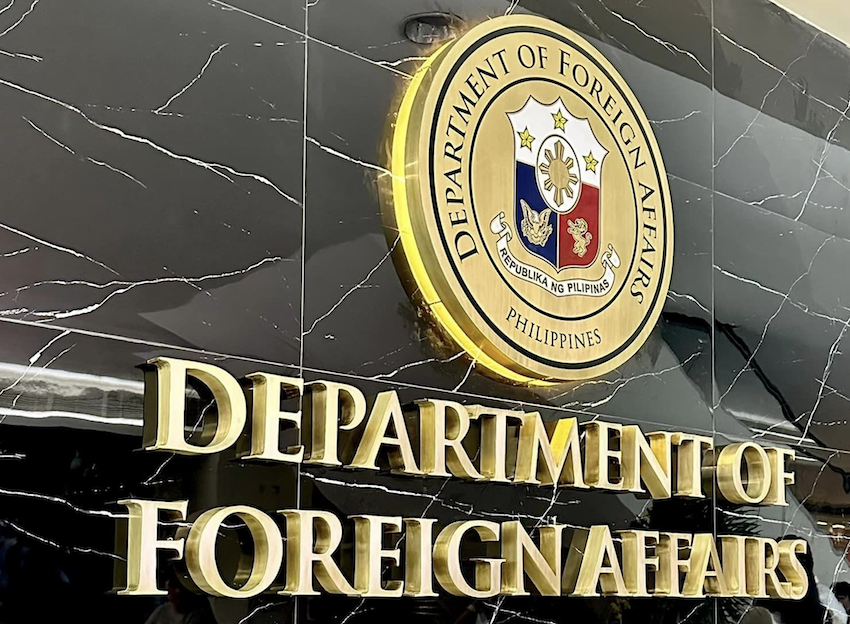
The Department of Foreign Affairs has taken the right tone, recognizing both the result and the road ahead.
“The Philippines respects the decision of the member states of the United Nations and extends its congratulations to the Kyrgyz Republic,” the DFA said, emphasizing that the campaign rested on “our longstanding commitment to peace, dialogue, international law, and cooperation among nations.”
These, it stressed, “remain principles that the Philippines will continue to uphold and advance in the global community,” and that the country “remains committed to working with all nations in pursuing peace, stability, sustainable development, and a rules-based international order.” This stance preserves Manila’s credibility as a principled actor even in defeat.
Kyrgyzstan, however, had clear advantages. As a first‑time candidate from under‑represented Central Asia, with close yet relatively low‑profile ties to China and Russia, it offered many states a “fresh voice” that did not appear locked into existing Indo-Pacific fault lines.
As one political analyst put it, “there was delight at the United Nation yesterday as Kyrgyzstan last night roundly defeated the Washington-controlled Philippines,” reflecting how some delegations read the contest as a quiet rebuke of US-led bloc politics and of Western double standards, particularly after recent controversies over the use of force and international law.
For Southeast Asia, the result means the region will lack a direct voice at the UNSC table at a time of rising tension in the South China Sea and increasingly contested trade and supply chains. This should be a wake-up call, not a reason to retreat.
To improve its chances next time, the Philippines will need a more sustained, regionally anchored campaign: deeper coalition-building within ASEAN and the Global South; messaging that highlights its own development and climate vulnerabilities rather than only its alliance credentials; and a clearer economic narrative that links peace, maritime security, and open trade routes.
If Manila can broaden its appeal beyond traditional partners while staying true to its commitment to a rules-based international order, it can return to New York not just as a candidate, but as a consensus choice for the Asia-Pacific.


No comments: