
PH signs Pacific fisheries pacts to boost tuna supply, blue economy

The Philippines has moved to deepen its fisheries ties with Pacific island nations, signing new agreements with Papua New Guinea and the Marshall Islands aimed at strengthening tuna supply, combating illegal fishing, and advancing the country’s blue economy agenda.
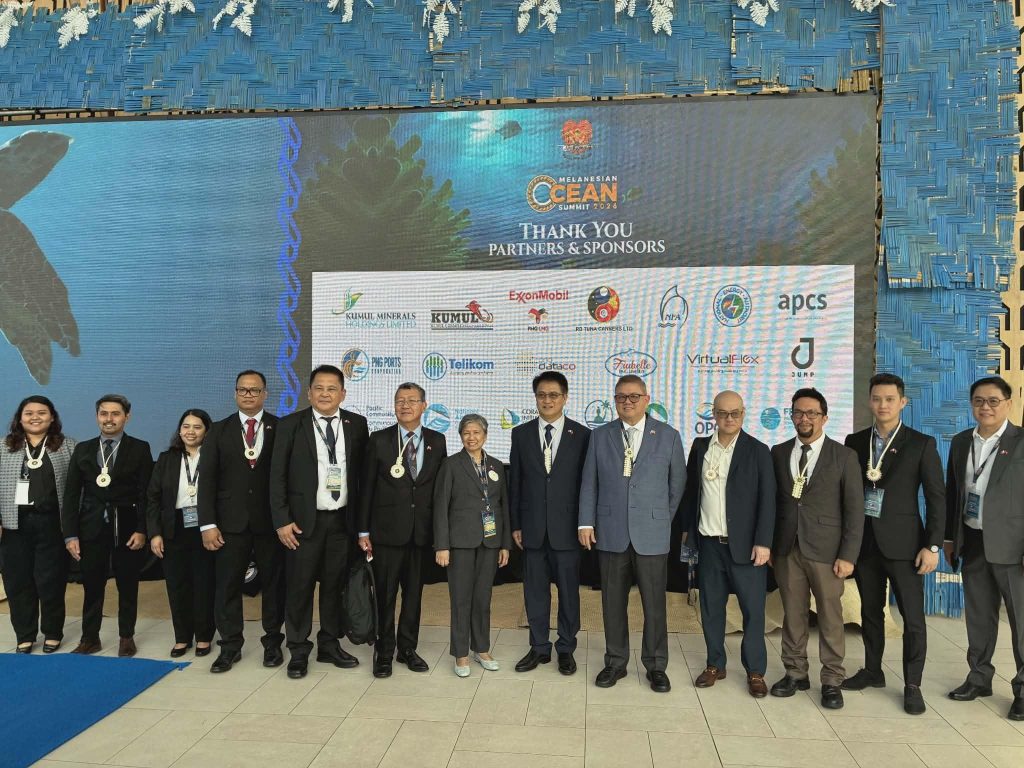
Agriculture Secretary Francisco “Kiko” Tiu Laurel Jr. led the Philippine delegation to the inaugural Melanesian Ocean Summit held from May 11 to 14 at the APEC Haus in Port Moresby, where Pacific leaders and partner countries discussed ocean protection, fisheries management, climate resilience, and sustainable maritime development.
A major highlight of the mission was the signing of two fisheries agreements on May 11.

Tiu Laurel signed a Memorandum of Understanding on Fisheries Cooperation with Papua New Guinea Minister for Fisheries and Marine Resources Jelta Wong, strengthening cooperation against illegal, unreported and unregulated fishing and supporting access to waters that supply a significant share of the world’s tuna catch.
He also signed a Memorandum of Cooperation with Marshall Islands Minister of Natural Resources and Commerce Anthony M. Muller, expanding cooperation with one of the key Pacific states under the Parties to the Nauru Agreement, a bloc that plays a major role in the management of tuna-rich waters in the Western and Central Pacific.
For the Philippines, the agreements are more than diplomatic gestures. They are tied directly to the country’s tuna industry, particularly processors and exporters in hubs such as General Santos City, which rely on stable access to tuna stocks from the Western and Central Pacific.
The blue economy refers to the sustainable use of ocean and coastal resources for economic growth, jobs, and livelihoods while keeping marine ecosystems healthy. In practical terms, it covers fisheries, aquaculture, ports, shipping, marine tourism, coastal protection, and ocean-based industries that must operate in a way that does not destroy the resource base on which they depend.
The Philippines’ fisheries cooperation with Papua New Guinea builds on a long-standing relationship under which Philippine fishing vessels have operated in PNG’s tuna-rich exclusive economic zone, subject to licensing and vessel-day arrangements. Philippine firms have also invested in fish processing in PNG, making the relationship important not only for raw tuna supply but also for exports, food safety standards, and jobs in the wider fisheries value chain.
The new agreement with the Marshall Islands is also strategically significant. While specific access terms have yet to be detailed publicly, the cooperation framework could help the Philippines strengthen its position in Pacific fisheries governance, particularly on sustainable fishing, marine protection, training, technology sharing, and measures against illegal fishing.
The Melanesian Ocean Summit also highlighted the growing pressure on Pacific fisheries from overfishing, climate change, and illegal fishing. One of the summit’s key themes was the protection of ocean corridors and marine reserves, including efforts to support the global target of protecting 30 percent of the world’s oceans by 2030.
For Philippine consumers, the impact of the agreements will not be immediate at the wet market level. But more predictable access to Pacific tuna could help stabilize supply for canned and processed tuna products, especially during periods when domestic catches are affected by typhoons, El Niño, high fuel prices, or disruptions in global supply chains.
For small Filipino fishers, the benefits are more indirect. They are unlikely to fish in PNG or Marshall Islands waters, but stronger regional fisheries governance could help protect migratory tuna stocks, support processing jobs, and reduce pressure on Philippine fishing grounds over time.
Tiu Laurel, who previously spent decades in the private fisheries and agribusiness sector before joining government, said the Philippines and Papua New Guinea have untapped potential in maritime sustainability and agricultural supply chains.
The visit underscored Manila’s effort to position fisheries not merely as a food supply issue, but as part of a wider diplomatic, economic, and climate strategy in the Pacific.


No comments: