
Dutch envoy rides MRT, sparks mobility reflection

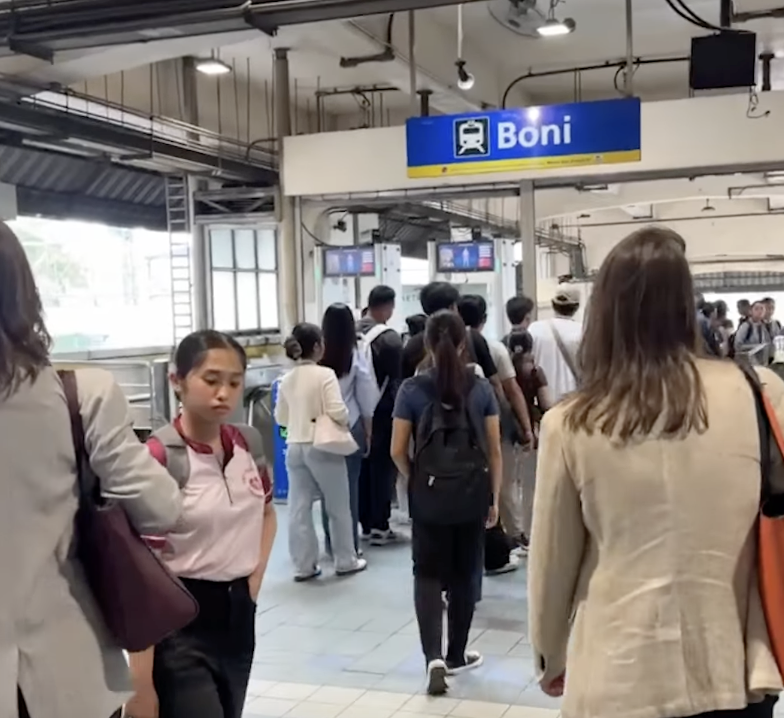
On a recent visit to the Philippine Red Cross in Mandaluyong, Netherlands Ambassador Marielle Geraedts chose a mode of transport many Metro Manila commuters know all too well: the Manila Metro Rail Transit System.
Traveling from Magallanes Station to Boni Station, the Dutch envoy bypassed the notorious gridlock that’s EDSA — an everyday burden that costs commuters time, money, and opportunity.
“Metro Manila commuters spend an estimated 188 hours a year by being stuck in traffic, that is nearly seven extra full days spent on the road. Efficient, safe, and affordable mass public transport offers an important part of the solution,” the Embassy of the Netherlands in the Philippines said in a Facebook post dated Feb. 19.
The numbers are staggering. A Japan International Cooperation Agency (JICA) study estimates traffic congestion in Metro Manila costs at least ₱3.5 billion per day — around ₱1.27 trillion per year — in lost productivity, fuel, and missed economic opportunities. Without effective intervention, projections suggest this could balloon to ₱5.4 billion daily by 2035.
For individual commuters, the toll is just as heavy. Studies show traffic congestion eats up roughly 168 to 188 hours per person annually: about one full week of life spent stalled on the road, with rush-hour speeds crawling at around 15 kilometers per hour.
Against this backdrop, the ambassador’s train ride carried symbolic weight.
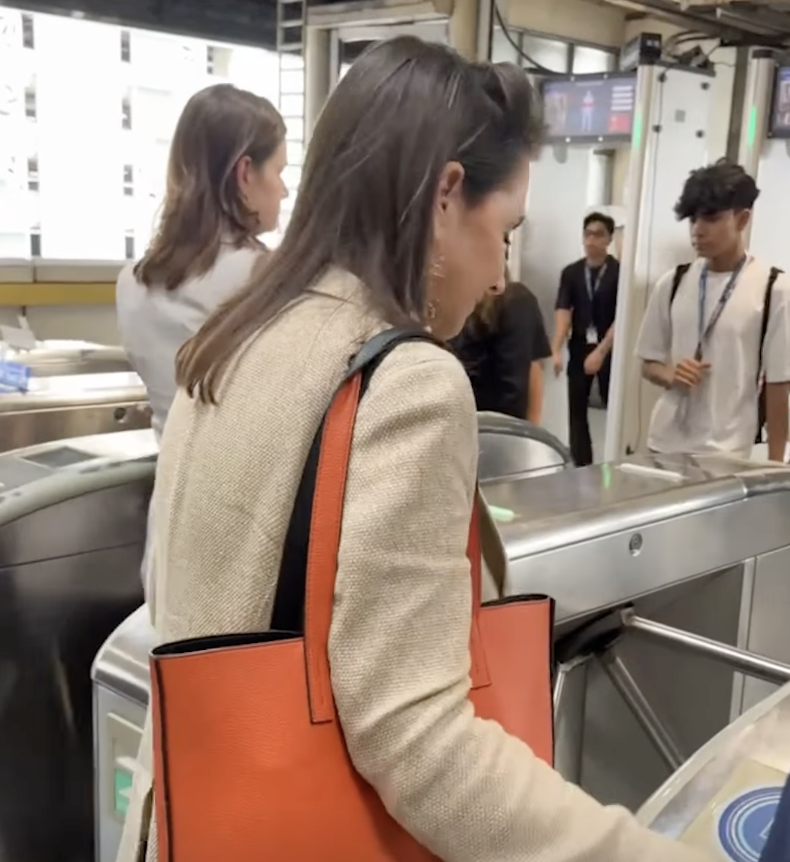
“The MRT tries to promote inclusive commuting, with female-only zones that support safer travel for women and priority areas for persons with disabilities,” the embassy noted.
In the Netherlands, mass transit is embedded in daily life. “In the Netherlands, many commuters choose public transport or bicycles as part of daily life, helping reduce congestion while creating cleaner and more livable cities. Encouraging sustainable mobility choices can help shape a greener future for the Philippines and beyond,” the post added.
The contrast is instructive. The Philippines is now in a catch-up phase, allocating roughly ₱135–140 billion in 2024 for rail projects under the Department of Transportation, including the Metro Manila Subway and major commuter rail expansions. Decades of underinvestment, however, have left the capital heavily reliant on road-based transport and private vehicles.

Meanwhile, the Netherlands invests billions of euros annually in an integrated system of rail, trams, buses, and cycling infrastructure, focusing on optimization rather than basic access.
There is no official data on how many Philippine public officials regularly use public transport. But commuter advocacy groups have long argued that wider, more consistent use of trains and buses by policymakers could sharpen accountability and urgency.
For this ambassador’s commute at least, the message was clear: Sustainable mobility is not only about infrastructure budgets measured in billions, but also about leadership, example, and the daily choices that shape a city’s future.


No comments: