
We Are the Journey: Lufthansa at 100

On January 6, 1926, a new name quietly entered aviation history: Lufthansa. Three months later, on April 6, its first aircraft took flight. A hundred years on, that moment is remembered not simply as the birth of an airline, but as the beginning of a journey that would help define modern aviation itself—connecting continents, economies, cultures, and generations of travelers.
As Lufthansa enters its centennial year in 2026, the anniversary is as much about reflection as it is about renewal. It honors a century shaped by ambition and innovation, but also by rupture, responsibility, and reinvention. Under its anniversary motto, “We are the Journey,” Lufthansa looks back honestly—and forward deliberately—into its second century of flight.
The original Lufthansa was founded in 1926 through the merger of Junkers Luftverkehr and Deutsche Aero Lloyd, two pioneers of early commercial aviation. The union reflected the spirit of the age: technological daring, cross-border ambition, and the belief that air travel could shrink distances and expand opportunity.
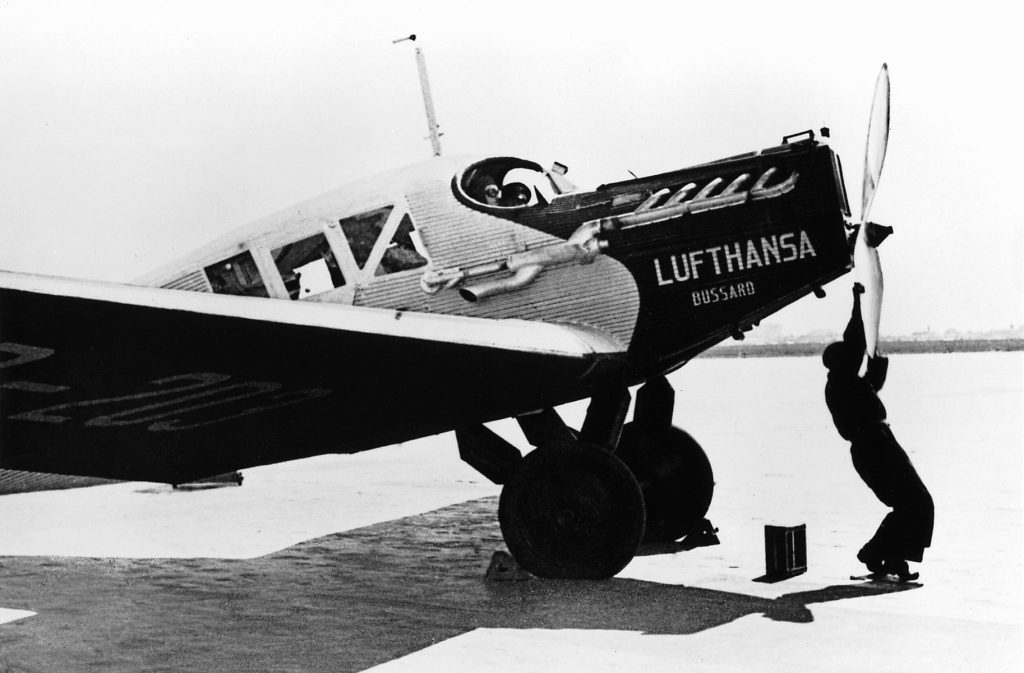
But history did not unfold smoothly. Like Europe itself, Lufthansa’s trajectory was shaped by upheaval. The airline’s darkest chapter came during the Nazi era, when it became integrated into the regime and played an active role within it. Today, Lufthansa acknowledges this period openly. The centennial is being used as a moment for deeper historical examination—grounded in research and transparency—recognizing that responsibility for the past is inseparable from credibility in the future.
Importantly, Lufthansa’s reckoning does not begin after the war. The years from its founding through the collapse of the first Lufthansa remain part of the company’s institutional memory—studied, documented, and confronted rather than erased.
A second beginning
In 1953, a new chapter began with the legal re-establishment of what is now Deutsche Lufthansa AG. Two years later, in 1955, flight operations resumed. It was a rebirth that demanded a different kind of courage: rebuilding trust, restoring international connections, and redefining what a German airline could represent in a post-war world.
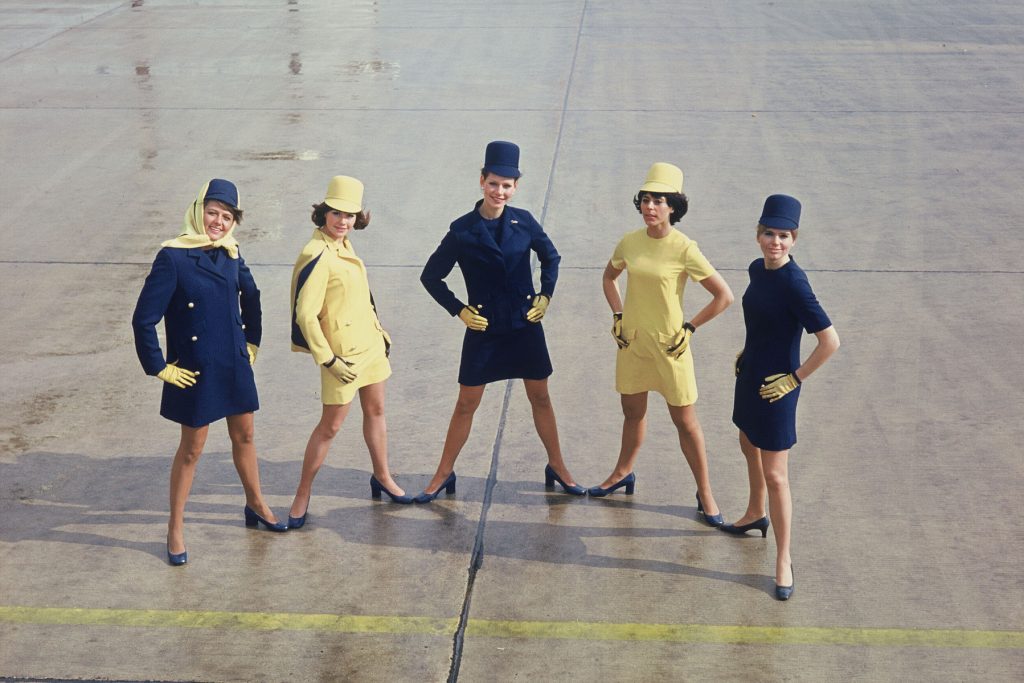
From that second beginning, Lufthansa steadily grew into one of the most recognizable and respected names in global aviation. Its cranes crossed oceans, its hubs became gateways, and its aircraft became familiar fixtures in skies from Europe to Asia, the Americas, and beyond.
At the heart of Lufthansa’s story are its people. Since its founding, employees have shared a distinctive ethos—marked by pioneering ambition, technical precision, and a passion for flight. Today, that spirit is embodied by 40,000 Lufthansa brand employees from 122 nations, and around 100,000 people from more than 160 countries across the Lufthansa Group.
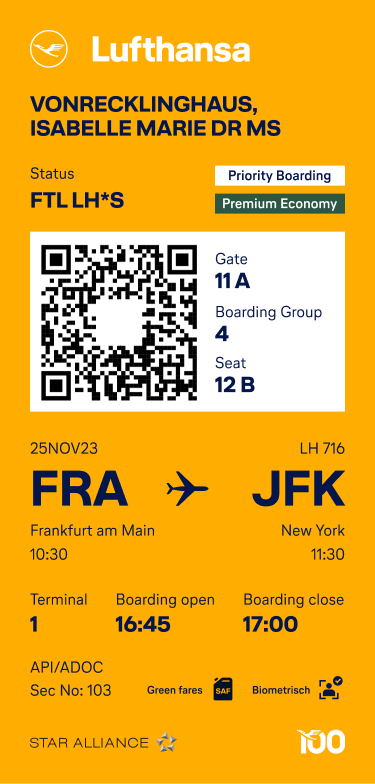
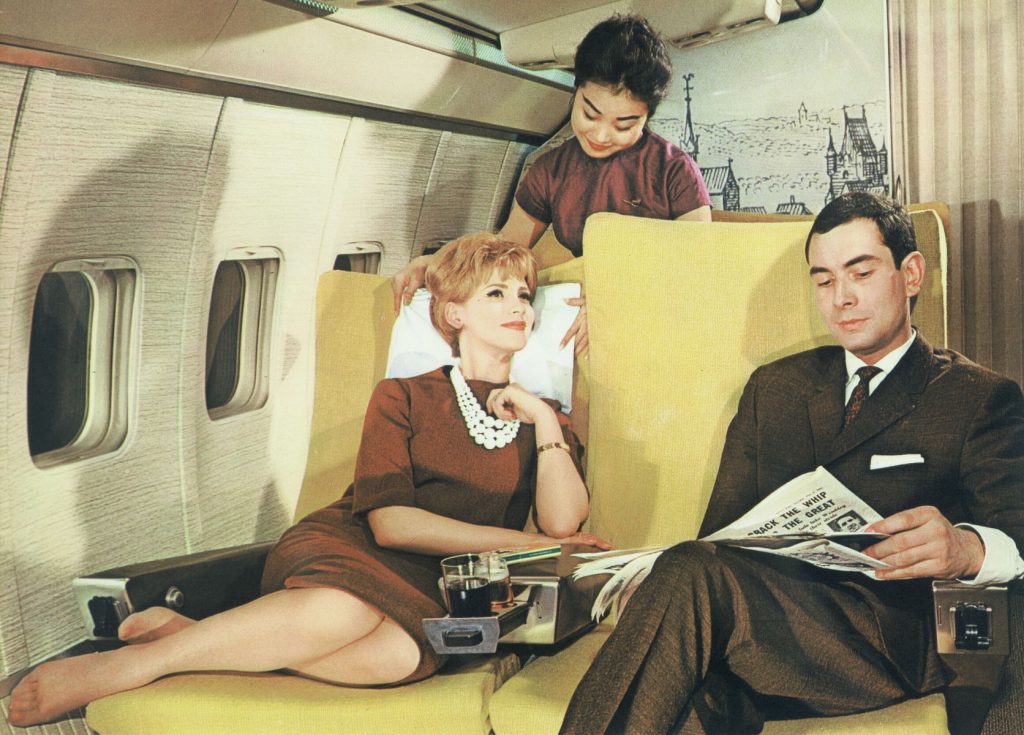
Equally central are the passengers. Over a century of change—from propellers to wide-body jets, from paper tickets to digital boarding passes—customer trust and loyalty have been the constant fuel. The centennial is, in many ways, a collective milestone: a thank-you to the millions who chose Lufthansa as part of their own journeys.
A living anniversary
Lufthansa’s 100th year will not be confined to a single ceremony. Instead, 2026 is designed as a year of experiences—for customers, employees, and aviation enthusiasts alike.
Highlights include a permanent exhibition at Lufthansa Group Hangar One, special events across key markets, a dedicated history book, film and video productions, employee celebrations, customer gatherings, and anniversary-themed marketing and product campaigns.
From January onward, the centennial will be visible across the travel experience. The “100 Years of Lufthansa” emblem will appear on boarding passes, at airports, and onboard aircraft. Beyond aviation spaces, poster campaigns in major cities will tell Lufthansa’s story through iconic imagery—turning urban centers into open-air galleries of flight history.
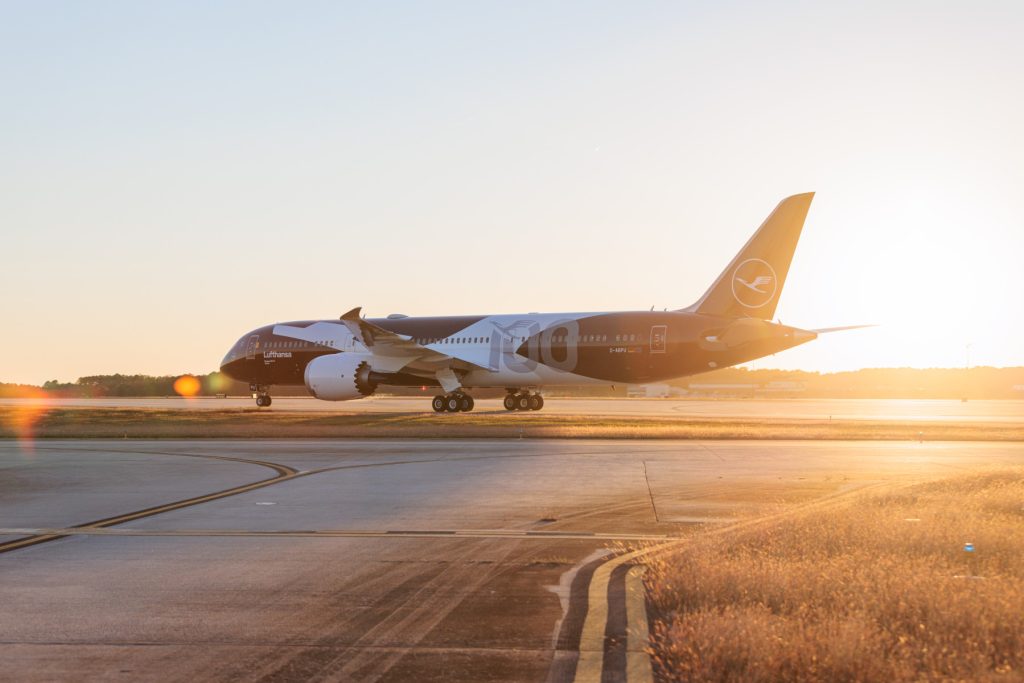
Perhaps the most striking symbols of the anniversary will be seen in the sky. Lufthansa is unveiling a special anniversary fleet—six aircraft across its core sub-fleets, each wearing a bespoke 100-year livery.
The fleet includes an Airbus A380, Airbus A350-1000, Airbus A350-900, Airbus A320, and Boeing 747-8. Leading them is the Boeing 787-9 “Berlin”, delivered from Boeing’s Washington State factory shortly before Christmas and now based in Frankfurt. Registered as D-ABPU, the aircraft will soon enter scheduled service, carrying the centennial message across continents.
Adding depth to design, Lufthansa will also roll out two retro liveries, blending heritage with forward motion. Central to all designs is the iconic crane, created in 1918 by Otto Firle—a symbol that has outlived regimes, technologies, and generations, remaining one of aviation’s most enduring emblems.
The next takeoff
At 100, Lufthansa stands at a rare intersection: old enough to carry history, young enough to imagine what comes next. The centennial is not a full stop, but a runway—a moment to gather speed for the future of sustainable aviation, digital transformation, and global connectivity.
After a century aloft, Lufthansa’s message is clear. The journey is not just something the airline provides. It is something it shares—with its people, its passengers, and the world it continues to connect.
We are the Journey.


No comments: