
How an ancient PH salt won a place on UNESCO’s heritage list

At first glance, asin tibuok looks like an egg waiting to be cracked open. But to the people of Alburquerque, Bohol, this object is more than food, more than craft. It is memory. It is survival. It is identity fired under the relentless heat of a wood-burning stove.
And now, the world has taken notice.
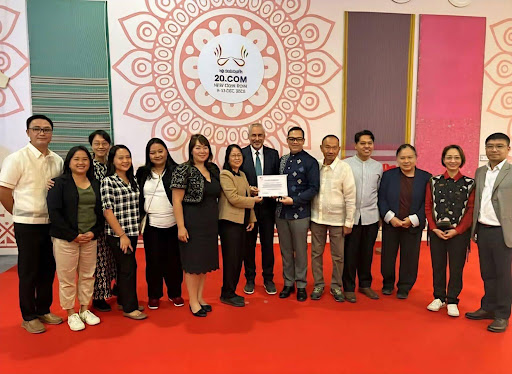
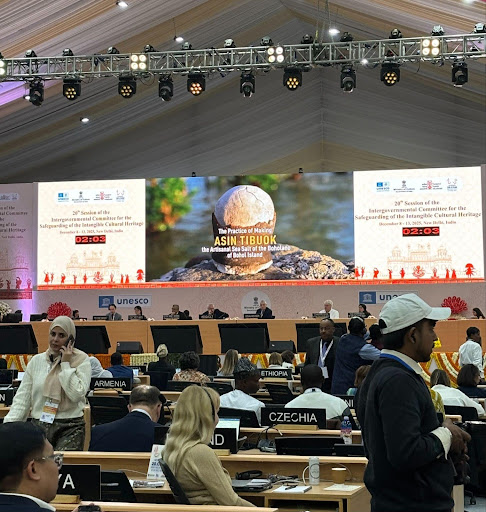
The 20th session of UNESCO’s Intergovernmental Committee for the Intangible Cultural Heritage, held in New Delhi, India, has officially inscribed the practice of making asin tibuok into the UNESCO List of the Intangible Cultural Heritage in Need of Urgent Safeguarding, a recognition long overdue for one of the Philippines’ rarest artisanal traditions.
For centuries, communities across Bohol made salt this way, their methods passed down not through written manuals but through repetition, apprenticeship, and lived experience. In Binisaya, asin tibuok means “whole salt,” a reference to its distinctive form.
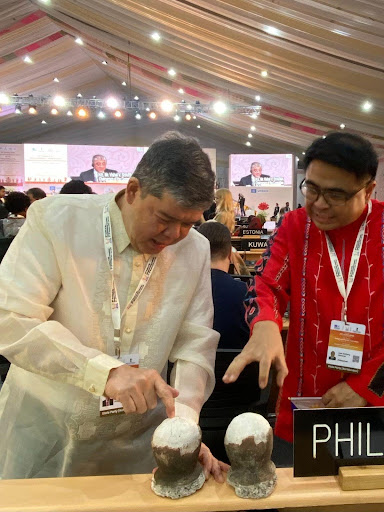
But by the late 20th century, this heritage was nearly extinguished. Industrial salt, low-cost imports, and changing livelihoods meant fewer families could sustain the long, labor-intensive process. Today, only a handful of salt-making families in Alburquerque remain.
The UNESCO inscription is, in many ways, a rescue mission not just for the salt but for the culture embedded in every grain.
The long, slow birth of a salt egg
The crafting of asin tibuok begins far from the shore. Coconut husks, once abundant in upland farms, are gathered and carried down to coastal workshops known as kamalig. Here begins an almost meditative ritual of time, patience, and fire.
The husks are soaked in seawater for at least three months, absorbing the sea into their fibers. Afterward, they are dried under the sun, chopped into pieces, then burned slowly while being intermittently sprinkled with seawater. Only after several days of continuous burning does the essential gasang, the ash-salt mixture, emerge.
From there, the salt-maker filters the gasang through a sagsag, a funnel-shaped device, pouring seawater through it to produce tasik, a potent brine.
Then comes the heart of the process: rows of clay pots arranged over the lagaan or stove, each fed a steady supply of brine. Over hours of boiling and evaporation, salt crystals begin to fuse to the pot’s interior, slowly forming the iconic “whole salt.”
The asin tibuok is left to cool overnight before being scraped clean.
Until the early 1990s, this labor of love was exchanged for upland rice and produce, a quiet barter economy binding the highlands and the coast.
UNESCO steps in to safeguard a living tradition
UNESCO’s decision to inscribe the craft recognizes both its fragility and its significance. It also affirms the Philippines’ detailed safeguarding plan, which includes: strengthening community engagement, addressing environmental risks, revitalizing intergenerational transmission, and enhancing economic sustainability and promoting slow food principles.
These measures, UNESCO said, aim to “address the immediate needs of the community/culture bearers as well as lay the foundation of its continued practice and transmission to younger generations.”
The Committee, comprising 24 member states elected under the 2003 UNESCO Convention, reviews practices around the world that communities consider part of their cultural heritage. Its lists celebrate not only what a culture creates but also how a people sustain knowledge, skills, and identity across generations.
In Bohol, that knowledge smells faintly of smoke, brine, and sun-dried coconut husk.
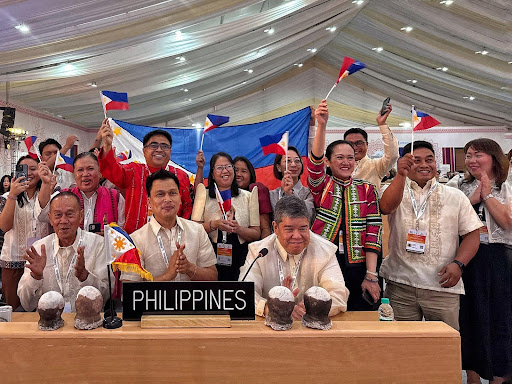
With UNESCO’s inscription, asin tibuok now joins an international roster of traditions deemed too precious to lose. The recognition is both an honor and a challenge: the world is watching, and the custodians of this salt, those who wake before dawn to tend the fire, must be supported if this craft is to live on.
For Bohol, the salt is more than food. It is a story of trade routes that once linked coasts and farms, of resilience in the face of modernization, of a community’s insistence that what is handmade, slow-made, and history-made still matters.


No comments: